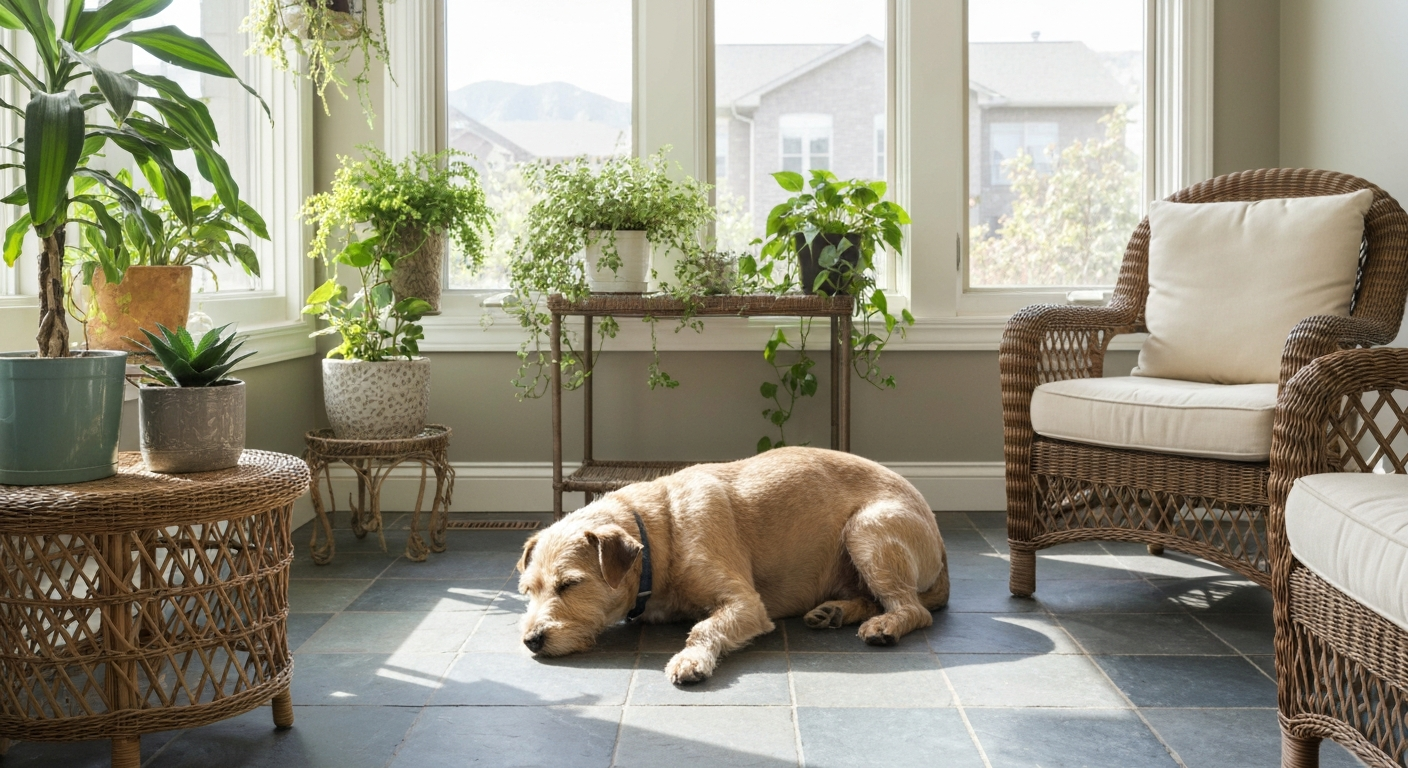
Best Emotional Support Animals for Utah Apartments — A Clinician-Vetted Lineup
Choosing the right emotional support animal for an apartment is rarely a one-size-fits-all decision. Space constraints, noise ordinances, building culture, and — above all — your individual therapeutic needs all shape what kind of animal may be most helpful. For Utah renters navigating this process, a second layer of complexity exists: understanding how federal Fair Housing Act (FHA) protections interact with Utah landlord-tenant law, and knowing that only a letter issued by a licensed mental health professional (LMHP) licensed in Utah carries genuine legal weight.
This clinician-vetted guide ranks the most apartment-compatible emotional support animals for Utah residents, walking through each animal's practical profile, the therapeutic roles they commonly serve, and the realistic considerations any responsible renter should weigh. Throughout, we anchor every housing-rights claim in HUD's FHEO-2020-01 notice — the federal authority that governs how landlords must assess ESA accommodation requests under the Fair Housing Act — so you can approach your housing situation with accurate, grounded information.
Important disclaimer: This article is informational only and does not constitute medical, mental-health, or legal advice. Whether an emotional support animal is therapeutically appropriate for you is a clinical determination that only a licensed mental health professional can make. For landlord disputes or housing-rights enforcement, please consult a Utah-licensed attorney or your local legal aid office.
A Quick Note on FHA Protections for Utah Renters
Before diving into the lineup, it is worth grounding the conversation in the legal framework that makes this list meaningful. Under the Fair Housing Act, as clarified by HUD's FHEO-2020-01 guidance, housing providers — including most Utah landlords, property management companies, and HOAs — are required to provide reasonable accommodations for individuals with disabilities. This includes allowing an emotional support animal even in a building with a no-pets policy, and waiving pet fees and pet deposits that would otherwise apply. The accommodation is tied not to a breed or species registry (no such valid registry exists — HUD has explicitly confirmed that online ESA registries are not legally recognized), but to a valid ESA letter from a licensed mental health professional who is licensed in the state of Utah.
The clinician who writes your letter must assess whether you have a qualifying disability and whether an emotional support animal is part of a reasonable therapeutic plan for your specific situation. Approval is never automatic or guaranteed; each evaluation is individual. Once you have a valid Utah ESA letter, your landlord may conduct a limited, individualized assessment of whether the specific animal poses a direct threat or fundamental alteration to the property — but broad species or breed bans cannot simply override your FHA accommodation rights. For a full breakdown of how to secure that documentation, visit our guide on Utah ESA housing letters and FHA protections.
How We Evaluated These Animals
Each animal on this list was evaluated across five dimensions that matter specifically to Utah apartment dwellers: space requirements (square footage and vertical space needs), noise profile (a real concern in multi-unit buildings), allergen footprint (relevant for shared ventilation systems), care complexity (time and financial commitment), and breadth of therapeutic benefit documented in clinical literature. Animals that score well across most dimensions — and that Utah-licensed clinicians commonly see requested in ESA evaluations — appear at the top of this list.
The Lineup
1. Cats — The Quintessential Apartment ESA
It is difficult to argue with the cat's resume as an apartment-compatible emotional support animal. Cats are self-contained in a way that few other animals match: they do not require outdoor walks, their vocalizations are generally low enough not to disturb neighbors through shared walls, and their grooming needs, while consistent, are largely self-directed. For Utah renters in dense complexes — think the Marmalade District in Salt Lake City or the Millcreek corridor — a cat's low spatial footprint is genuinely meaningful. Many individuals living with anxiety disorders, depression, or PTSD report that the tactile experience of petting a cat, combined with the animal's rhythmic purring, produces measurable calming effects; a body of clinical research supports the role of human-animal interaction in reducing cortisol levels and activating the parasympathetic nervous system.
From a landlord-relations standpoint, cats are also among the most readily accepted ESA species under FHA review. Landlords conducting the individualized threat assessment described in FHEO-2020-01 are unlikely to identify a specific cat as posing a direct threat unless there is documented history of aggressive behavior. That said, certain cat breeds are notably more apartment-suited than others: the Ragdoll, British Shorthair, and Scottish Fold tend toward calm temperaments, while highly active breeds like the Bengal may generate more noise and activity than a studio apartment can reasonably absorb. A Utah-licensed clinician can help you think through whether a particular breed aligns with your therapeutic profile and living situation.
Allergen considerations deserve mention. Cat dander is among the most potent common allergens, and in buildings with shared HVAC systems, neighbors with cat allergies may raise concerns. Regular grooming, HEPA filtration, and keeping your cat out of ventilation-adjacent spaces can mitigate this substantially. For a deeper dive into specific breeds and their apartment compatibility, see our resource on ESA cats in Utah — quiet companions for renters.
Practical Takeaway: Cats are an excellent starting point for most Utah apartment dwellers seeking an ESA. Choose a calmer breed, invest in regular grooming, and ensure your Utah ESA letter specifically references your qualifying condition and the therapeutic role the animal plays.
2. Dogs (Small to Medium Breeds) — Powerful Therapeutic Bonds With the Right Fit
Dogs are the most therapeutically versatile emotional support animals available, and for good reason: the human-canine bond is one of the most extensively studied relationships in anthrozoology. For individuals managing major depressive disorder, social anxiety, PTSD, or panic disorder, a dog's responsiveness to human emotional states, consistent need for routine (which itself has documented mood-stabilizing effects), and capacity for physical affection create a therapeutic feedback loop that many people find irreplaceable. The key qualifier in an apartment context is size and temperament, not species. A 90-pound Labrador Retriever in a 650-square-foot apartment in Provo presents very different challenges than a 14-pound French Bulldog in the same space.
Utah landlords, operating under the FHA framework reinforced by FHEO-2020-01, cannot enforce a blanket no-dogs policy against a resident with a valid ESA letter — but they can conduct an individualized assessment if there is credible evidence that a specific animal poses a direct threat. Breed-specific bans written into lease agreements do not automatically override FHA accommodation rights, though legal outcomes can be nuanced. If you encounter resistance from a Utah landlord over your ESA dog, consulting a Utah-licensed attorney is strongly recommended before taking further action. On the therapeutic side, breeds commonly cited as apartment-compatible include the Cavalier King Charles Spaniel, Bichon Frisé, Pug, Shih Tzu, and — perhaps surprisingly — the Greyhound, which despite its size is a notably low-energy, low-noise dog that can thrive in a smaller space.
Noise is the primary risk factor for ESA dogs in multi-unit housing. A dog that barks persistently can create legitimate nuisance complaints that complicate your FHA accommodation. Basic obedience training — teaching commands like "quiet," "settle," and "place" — is an investment that protects your tenancy and your neighbor relationships simultaneously. Our guide to ESA training basics in Utah covers the fundamentals without overcomplicating them. For a curated look at which specific breeds tend to thrive in Utah's apartment landscape, visit our resource on ESA dogs in Utah — best breeds for apartments.
Practical Takeaway: A dog can be among the most therapeutically potent ESA choices available, but apartment suitability hinges on breed temperament, size, noise level, and consistent basic training. A Utah-licensed clinician can help determine whether a dog aligns with your therapeutic needs and living context.
3. Rabbits — Quiet, Gentle, and Surprisingly Therapeutic
Rabbits occupy a unique niche in the ESA landscape: they are quiet enough for close-proximity apartment living, deeply social animals that form genuine bonds with their human companions, and — when handled consistently from a young age — remarkably calm to hold and interact with. For individuals who may have sensory sensitivities, allergies to dog or cat dander, or a therapeutic profile that benefits from a quieter, less stimulating animal presence, rabbits represent a genuinely compelling option. Clinicians working with clients who have generalized anxiety disorder or sensory processing challenges sometimes find that the gentle, predictable nature of a rabbit's interaction style is precisely what those clients need — not the exuberant, high-energy engagement of a dog.
From a housing perspective, rabbits are covered under the same FHA framework as dogs and cats, provided the ESA letter from a Utah-licensed LMHP documents the therapeutic necessity clearly. HUD's FHEO-2020-01 guidance does not restrict ESA accommodation requests to any particular species; what matters is the nexus between the individual's disability and the specific animal's role in their treatment or emotional support plan. Practically speaking, rabbits do require a reasonably sized enclosure, daily exercise outside the enclosure (typically within the apartment itself), and a diet of fresh hay, leafy greens, and limited pellets — a care routine that is manageable but not trivial. Their litter habits are also trainable, which significantly simplifies indoor living.
Utah's climate is worth noting here: rabbits are sensitive to heat, and during Utah's warm summers, maintaining a climate-controlled apartment environment is important for the animal's welfare. Most modern Utah apartments with central air conditioning provide an adequate environment, but ground-floor units with limited airflow may require supplemental cooling strategies. For a comprehensive look at rabbits as emotional support animals in the Utah context, our dedicated resource on rabbits as emotional support animals in Utah covers housing rights, care specifics, and clinician considerations in detail.
Practical Takeaway: Rabbits are an underrated ESA option for Utah apartment dwellers — particularly those who need a quiet, bonded animal presence. Ensure your enclosure setup is appropriate, your apartment maintains comfortable temperatures, and your Utah ESA letter clearly articulates the therapeutic relationship.
4. Guinea Pigs — Low-Maintenance Calm With Real Bonding Capacity
Guinea pigs are perennially underestimated as emotional support animals, but for the right individual, they offer a genuinely therapeutic combination of accessibility and genuine social connection. Unlike hamsters or gerbils — which are primarily nocturnal and thus less available for daytime interaction — guinea pigs are diurnal animals that are active and responsive during the hours most people are awake. They communicate through a range of vocalizations (the characteristic "wheek" of excitement when their owner appears is both charming and genuinely mood-lifting), they enjoy being held, and they adapt well to apartment routines. Many people managing depression or loneliness find that the consistent, predictable presence of a guinea pig — one that responds visibly and audibly to their arrival — provides a meaningful anchor during difficult days.
From a practical standpoint, guinea pigs require relatively modest space (a cage of at least 7.5 square feet for one animal, more for pairs — and guinea pigs should ideally be kept in pairs for their own social wellbeing), a diet of fresh vegetables, quality pellets, and unlimited timothy hay, and regular cage cleaning to manage odor. That last point is the primary challenge for apartment living: a cage that is not cleaned on a consistent schedule will produce noticeable odor in a small space. Committing to a rigorous cleaning routine — spot-cleaning daily, full bedding changes every three to four days — largely resolves this. They are quiet animals; the sounds they produce are unlikely to reach through shared apartment walls in any meaningful way.
Under FHA and FHEO-2020-01 guidance, guinea pigs are eligible for ESA accommodation, provided the nexus between the resident's qualifying disability and the therapeutic role of the specific animal is clearly documented in a valid Utah ESA letter. Landlords who attempt to restrict ESAs to dogs and cats only — or who impose species-specific bans beyond the individualized threat-assessment framework — may be operating outside their FHA obligations. As always, if a Utah landlord disputes your accommodation request, consult a Utah-licensed attorney before taking further steps.
Practical Takeaway: Guinea pigs are a strong ESA option for residents who want a social, responsive animal without the noise, space demands, or exercise requirements of a dog. Their primary management challenge is odor control, which consistent cleaning schedules effectively address.
5. Birds (Calm, Quiet Species) — Presence, Beauty, and Cognitive Engagement
The therapeutic role of birds in emotional support contexts is often centered on cognitive engagement and the soothing quality of natural sound. For individuals managing conditions such as depression, ADHD, or anxiety — where restless, racing thoughts are a common symptom — the focused attention required to interact with a bird, observe its behavior, and maintain its environment can function as a gentle, absorbing mindfulness practice. Certain species are far better suited to apartment living than others, and this distinction is crucial. Macaws, cockatoos, and some conures can produce decibels that rival a power tool; they are not apartment-appropriate ESA species in most Utah multi-unit contexts. Quieter options — budgerigars (parakeets), cockatiels (particularly females, which tend toward quieter vocalizations), doves, and canaries — offer meaningful interaction within a much more neighbor-compatible noise profile.
Birds covered under a valid Utah ESA letter are protected under the same FHA reasonable-accommodation framework as any other ESA species, with landlords again limited to the individualized direct-threat assessment described in FHEO-2020-01. One area where landlords may raise legitimate concerns is the potential for property damage: certain parrots have powerful beaks capable of damaging woodwork, window sills, and furniture if allowed unsupervised free flight. A well-managed bird environment — with appropriate cage sizing, enrichment toys, and structured out-of-cage time under supervision — mitigates this risk substantially and supports a stronger accommodation request.
Care complexity varies significantly by species. A pair of budgerigars requires relatively modest daily attention: fresh food and water, daily social interaction, and regular cage cleaning. A cockatiel is somewhat more demanding socially — these birds bond deeply with their owners and require meaningful daily interaction to remain psychologically healthy. For individuals whose therapeutic goals include structured daily routine and the responsibility of caring for a living being (both well-documented components of evidence-based mental health support), a bird's care schedule can itself become part of the therapeutic value.
Practical Takeaway: Choose a quieter species — budgerigars, doves, cockatiels, or canaries — for Utah apartment living. Document the specific therapeutic role of the bird in your ESA letter, and invest in proper cage setup to minimize any property-damage concerns a landlord might raise.
6. Fish — The Overlooked Anchor of Calm
Fish occupy the quietest, most spatially contained corner of the ESA landscape — and for a specific population of Utah renters, they may be precisely the right fit. Research into aquarium-gazing as a therapeutic intervention has demonstrated measurable reductions in blood pressure, heart rate, and subjective anxiety ratings; the structured, visually rich environment of a well-maintained aquarium can function as a focal point for mindfulness practice, a reliable source of calm sensory input, and a daily care routine that provides gentle structure. For individuals managing high-stress conditions, severe anxiety, or trauma responses where the unpredictability of more active animals feels overwhelming, fish offer therapeutic presence without demand.
From a housing perspective, fish are among the simplest ESA accommodations for a landlord to process. They produce no noise, no dander, no pet odor, and pose no behavioral threat. The primary landlord concern is water damage from tank leaks, which is a legitimate consideration — many Utah leases include aquarium size restrictions (commonly 10 or 20 gallons). If your therapeutic plan involves a larger aquarium, your ESA letter should specifically address the therapeutic necessity, and it may be worth discussing waterproofing or drip-tray solutions proactively with your landlord to ease the accommodation process.
It is worth acknowledging honestly that fish offer a different kind of emotional support than a dog or cat. The bond is observational and ritual-based rather than tactile and reciprocal in the way mammalian bonds are. A Utah-licensed clinician evaluating whether fish are therapeutically appropriate for a specific individual will consider the nature of that individual's condition, their social and sensory preferences, and whether the specific, documented therapeutic mechanisms of aquarium interaction align with their treatment needs. The evaluation is always individualized.
Practical Takeaway: Fish are a compelling ESA option for individuals who benefit from calm, structured, visually engaging animal interaction. Be proactive with your landlord about tank size and water-damage prevention, and ensure your Utah ESA letter articulates the specific therapeutic function clearly.
7. Miniature Pigs — High Personality, Significant Commitment
Miniature pigs — sometimes called "teacup pigs" in marketing, a term that is largely misleading, as most reach 50–100 pounds at maturity — sit at the more complex end of the apartment ESA spectrum. They are included on this list because, for the right individual, they offer a genuinely distinctive therapeutic profile: pigs are among the most cognitively sophisticated domestic animals, capable of learning dozens of commands, solving puzzles, and forming deeply bonded relationships with their owners. For individuals whose therapeutic needs include cognitive engagement, structured interaction, and the challenge and reward of a high-investment relationship, a miniature pig can be extraordinarily effective.
The honest caveat is substantial. A miniature pig in an apartment requires significant space for rooting behavior (a natural stress-relieving behavior that can damage flooring if not channeled appropriately), a diet carefully managed to prevent obesity (obesity is the leading health problem in miniature pigs), and an owner with genuine bandwidth for a socially demanding animal that does not tolerate neglect well. Zoning considerations in some Utah municipalities may also affect whether a miniature pig can legally be kept as a residential pet — ESA protections under the FHA apply to housing provider policies, but municipal zoning ordinances occupy a separate legal domain. Consulting a Utah-licensed attorney about local ordinances before pursuing a miniature pig ESA is prudent.
Under FHEO-2020-01, miniature pigs are eligible for ESA accommodation with a valid Utah ESA letter, but landlords may conduct a more thorough individualized assessment given the species' size and the potential for property alteration. A strong, detailed ESA letter — one that explicitly addresses the therapeutic necessity and the specific animal's documented behavior — will support your accommodation request more effectively than a generic template letter from an out-of-state, non-clinician-reviewed online service.
Practical Takeaway: Miniature pigs are a high-reward, high-commitment ESA option best suited to individuals with genuine experience with or passion for the species, ample living space, and the time and resources for their substantial care needs. Verify local Utah zoning rules and consult a Utah-licensed attorney if needed.
What Every Utah Renter Should Know Before Choosing an ESA
The Letter Comes First — and It Must Come From a Utah-Licensed Clinician
No animal on this list confers FHA housing protections on its own. The legal instrument is the ESA letter — a document issued by a licensed mental health professional who is licensed in Utah, based on a genuine clinical evaluation of your qualifying disability and the therapeutic appropriateness of the specific animal. The clinician might be a Licensed Clinical Social Worker (LCSW), a Licensed Marriage and Family Therapist (LMFT), a Licensed Professional Counselor (LPC), a psychologist, or a psychiatrist. What matters is that they are actively licensed in Utah and that they have conducted a real evaluation — not a checkbox questionnaire designed to produce a letter regardless of clinical findings.
Online services that promise "instant letters," guaranteed approvals, or registration in a national ESA database are not providing legitimate clinical documentation. HUD has been explicit: there is no national ESA registry, and a certificate or ID card purchased online carries no legal weight under the Fair Housing Act. A landlord who requests verification of your ESA accommodation is entitled to see a letter from a licensed professional — not a laminated card. Protecting yourself means working with a real clinician who conducts a real evaluation.
Your Landlord's Rights Under FHEO-2020-01
It is equally important to understand what landlords can and cannot do under the FHA framework. A housing provider may request reliable disability-related documentation when the disability or disability-related need for the ESA is not obvious or already known. They may conduct an individualized assessment of whether the specific animal poses a direct threat to health or safety that cannot be mitigated, or would cause a fundamental alteration to the nature of the housing. They may not impose blanket species or breed bans, charge pet fees or deposits for an approved ESA, or deny accommodation based solely on the type of animal without an individualized assessment. If your Utah landlord is refusing an accommodation request that appears to comply with FHEO-2020-01, your first call should be to a Utah-licensed attorney or your local legal aid office.
ESA Letters Do Not Cover Air Travel
This point bears clear statement: since the U.S. Department of Transportation revised its rules under the Air Carrier Access Act in January 2021, emotional support animals no longer have legal protections on commercial airline flights. Airlines now treat ESAs as regular pets, subject to the same fees, carrier requirements, and cabin restrictions as any other animal. If air-travel accommodation is important to your situation, a licensed clinician can discuss whether a Psychiatric Service Dog — which retains ACAA protections under DOT rules — might be appropriate for your needs. This is a very different designation with different training and documentation requirements, and it begins with a clinical conversation, not an online purchase.
Connecting With a Utah-Licensed Clinician
The most important step in this process — more important than selecting the right species or breed — is connecting with a qualified mental health professional who is licensed in Utah and who will conduct a genuine, individualized evaluation. At ESA Letter Utah, every evaluation is conducted by a licensed clinician; no letter is issued without a real clinical assessment. We do not guarantee approval, because legitimate clinical practice does not work that way. What we do guarantee is that the process is handled with clinical integrity, in full compliance with Utah licensing requirements and federal FHA guidance.
If you are ready to begin the evaluation process, or if you want to learn more about how a Utah ESA letter works within the FHA housing framework, our guide on Utah ESA housing letters and FHA protections is the right starting point. You may also find our species-specific resources helpful as you think through your options: ESA dogs in Utah — best breeds for apartments, ESA cats in Utah, and rabbits as emotional support animals in Utah each go deeper on the species-specific considerations that matter for apartment dwellers in this state.
Disclaimer: This article is provided for informational purposes only. It does not constitute medical advice, mental-health advice, or legal advice of any kind. Whether an emotional support animal is therapeutically appropriate for your specific situation is a determination that only a Utah-licensed mental health professional can make, based on a genuine clinical evaluation. For questions about landlord disputes, FHA enforcement, or your rights under Utah law, please consult a Utah-licensed attorney or contact your local legal aid office. Species suitability information reflects general behavioral and husbandry knowledge and should not be interpreted as a guarantee of any particular animal's behavior or therapeutic outcome.
Ready to start your Utah ESA letter?
Licensed Utah clinician review. Compliant with state law.
Get My Utah ESA Letter